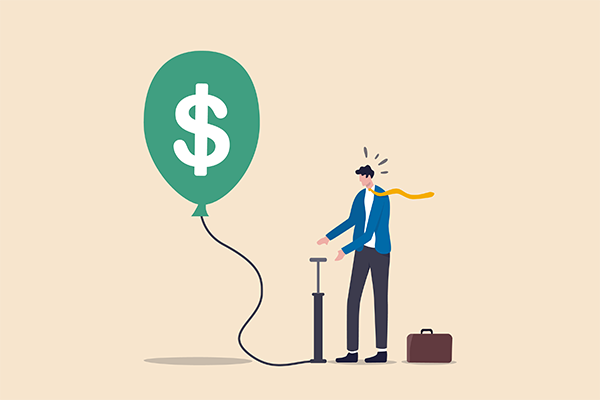
Inflation is one of those words everyone hears but few actually understand. News channels shout about it. Economists debate it. Politicians blame each other for it.
Meanwhile, your grocery bill quietly increases.
So what is inflation, really?
Inflation in Simple Terms
Inflation means prices are rising over time.
If a product costs ₹100 today and ₹106 next year, inflation is 6%.
That’s it. No complex formulas needed to understand the impact.
Why Inflation Feels Worse Than the Number
Official inflation might be 5–6%.
But the items you buy regularly, like food, rent, fuel, often increase faster.
So even if the national average looks manageable, your personal experience may feel painful.
The Real Problem: Purchasing Power
Inflation reduces your purchasing power.
If your salary grows by 4% but inflation is 6%, you are effectively earning less in real terms.
You’re working more. Affording less.
That’s why salary hikes below inflation are not actual growth.
Who Benefits from Inflation?
Not everyone loses.
- Borrowers benefit because they repay loans with money that is worth less over time.
- Asset owners often benefit because property and stocks may rise with inflation.
But savers who keep money idle in low-interest accounts lose value.
What You Can Do
You cannot control inflation.
You can control how you respond.
- Invest instead of letting money sit idle
- Diversify assets
- Increase income skills
- Avoid unnecessary debt
Financial awareness is your defense.
The Bottom Line
Inflation is not just an economic term.
It affects your daily expenses, savings, and long-term wealth.
Ignoring it doesn’t protect you.
Understanding it does.


Leave a Reply